
Reading the Ingredient–Product Matrix for Variants in Regular Halal Inspection
Publisher: LPH Baslan Hugo Trea
Published:
Product variants need to be read one by one
Two products that look similar on the shelf may use different ingredient compositions. When preparing a regular halal inspection application, these differences should be clear from the product list creation stage, not only when reading the recipe. The applicant preparation package from LPH Baslan Hugo Trea provides a product list, ingredient list, and an ingredient–product matrix that cross-reference each other. This form serves as a tool to organize information before the official submission through SIHALAL, not a statement that a product has been assessed as halal.[1][2]
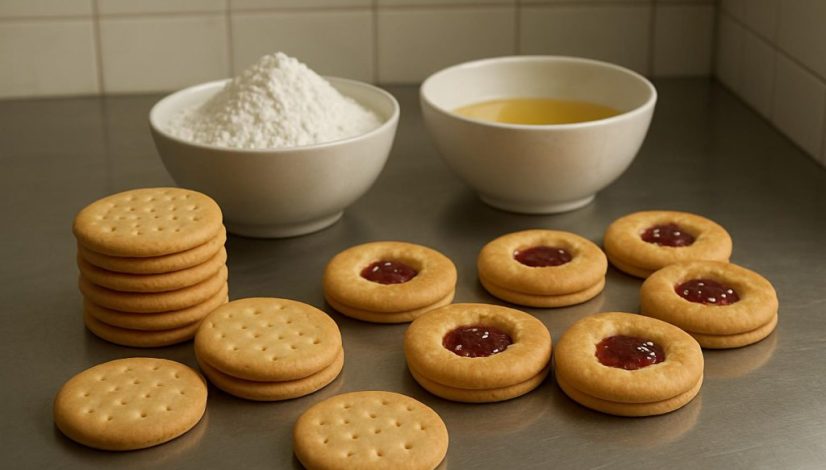
This article focuses on the relationship between variants, not on tracing ingredient origins or facility layouts. Imagine a hypothetical producer has plain biscuits and biscuits with fruit filling. Both might share flour and oil, but the filling is used only in one variant. This example is neither client data nor inspection results. Because small differences can easily be overlooked, product lists need to mention recognizable names and consistent codes on every worksheet. This way, dossier readers do not have to guess whether a short name refers to the same product or a different variant.
Start from the product list, not from the matrix box
The LPH service page requests the applicant to organize the names, brands, types of products, activities or services, and facilities according to the scope submitted. In the PDF package, the product list sheet provides columns for code, product or brand name, type of product or activity, and related facilities. The instructions emphasize the consistency of product names between the list, matrix, and SIHALAL application. Therefore, before marking the matrix, first compile an inventory of the variants that are truly intended to be submitted. Do not mix marketing names, internal recipe names, and application names without explaining the relationship among them.[1][2]
Codes like P01 and P02 in the package are merely examples of how to maintain references between sheets. A business may use working names that facilitate its own process as long as the submitted data is consistent and follows the applicable form. If the brand changes but the formula does not, or the formula changes but the trade name remains, note these differences for clarification within the scope of the application. This article does not dictate whether certain changes require special administrative procedures. The purpose of the working list is to make questions that need to be answered visible, not to replace the assessment of the authorized party.
The matrix shows usage, not a halal decision
The LPH form explains that an X mark at the intersection of the ingredient row and product column means that the ingredient is used in that product; an empty box means it is not used. The example in the form uses original and spicy cassava chips to demonstrate shared ingredients and ingredients specific to one variant. That matrix is not a recipe measurement and is not evidence of halal approval. Readers should use that pattern as a way to read relationships, then fill it in based on their actual products and ingredients, not by copying the cassava chip example into their own business data.[2]
For the biscuit illustration earlier, one row of fruit filling can be marked only on the variant that contains it. However, ingredients involved in the process, not only those visible on the label, also need to be considered in the working list. The service page refers to raw materials, additives, and auxiliaries; the PDF package requires every ingredient in the process to be included in the matrix. If it is not clear which variant uses a particular ingredient, do not fill in its box based on guesswork. Ask the process responsible, compare with relevant production records, and then correct the list before declaring the file ready.[1][2]
Use discrepancies as working questions
For example, if the ingredient list contains an auxiliary ingredient but all product columns in that row are empty, this does not yet prove a certification error; there might be products not yet listed, processes not explained, or rows that should be deleted after confirmation. Conversely, an X mark on a variant that never uses that ingredient can obscure the process description. A safe approach is to trace back the product names, ingredients, and stages of use consecutively. Record reasons for corrections so that the next document version does not reproduce the same confusion.
Also note that the matrix works together with other documents, not independently. LPH includes diagrams and process descriptions, facility lists, and evidence of implementing the halal product assurance system as groups of information prepared by the applicant. If the matrix states that an ingredient is used in one variant, the process description should allow the reader to understand when the ingredient is introduced. If there are multiple facilities, the relationship between the product and the facilities also needs to be clear. Consistency between documents aids communication during inspection, but does not guarantee approval nor replace relevant supporting evidence.[1][2]
Limits of Role in Regular Inspection
The scheme issued by LPH Baslan Hugo Trea separates document review, field inspection, inspection report, and follow-up. A well-structured matrix can help clarify what is submitted for inspection, but is not an audit finding or decision regarding a product. LPH conducts inspections; the results are forwarded in the halal certification process by the authorized institution, and BPJPH issues the certificate after requirements are met. This article does not offer PPH guidance, does not announce fatwa decisions, nor promises certification time or outcomes.[3]
Official submissions are still made through SIHALAL. BPJPH has explained that guidelines for the regular scheme service are provided on its website; because electronic services may evolve, applicants should read the instructions available at the time of submission, not rely on outdated screenshots as current instructions. The LPH preparation package itself states that final completeness depends on product type, facilities, scope, and SIHALAL provisions. Upon finding data discrepancies, cease assumptions, tidy up information, and request clarification through the appropriate official channels.[1][4]
A simple closing step is to read each column of the matrix as if it were a separate product: are all actually used ingredients listed, is the variant name consistent across all documents, and does the process sequence explain its use? Then read each row as if it were a single ingredient: does the usage mark appear on the correct variant? These two directions of self-review do not confer halal status. Their value is reducing misinterpretation before information is objectively inspected.
References: LPH Services and Procedures; Applicant Requirement Package; LPH Inspection Scheme; BPJPH SIHALAL Information. Accessed November 3, 2026 WIB.