
Reading Facility Flow in Regular Halal Inspection
Publisher: LPH Baslan Hugo Trea
Published:
Facility Is More Than Just an Address
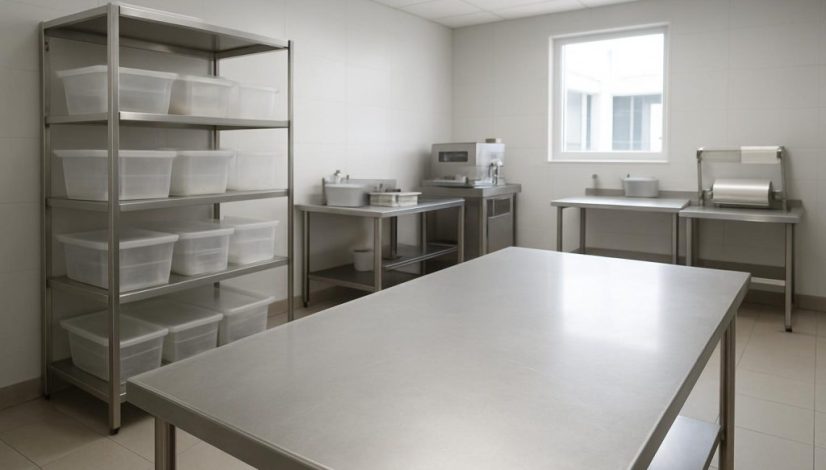
In regular halal certification applications, facilities are often summarized simply as the business location address. However, to understand the submitted process, readers also need to know what activities take place in each area. Where are materials received, stored, processed, packaged, and stored again as finished products? This question does not require business actors to draw an elaborate layout. The goal is to make the process description clear enough to be compared with the actual facility during inspection. LPH Baslan Hugo Trea explains that the applicant's preparation package includes a list of products and facilities, process diagrams, and explanations of stages from receipt through distribution. This serves as a tool to understand the application, not as proof that every business has the same flow.
The distinction between address and flow becomes important when one location houses more than one activity. For example, hypothetically, the receiving area may serve multiple types of materials, while packaging occurs on the opposite side of the building. Without a description of movement, the facility list does not explain how materials move toward the proposed product. This example is not the result of an inspection on a specific business and does not conclude that one layout necessarily meets or violates requirements. Business actors can start by describing the actual activities at each point and then match them with the facility names and products listed in the official application.
Linking Diagrams to Daily Practice
Process diagrams are useful when used as a map for questioning, not merely as attachments. For example, after materials are received, who records their identity and where are the materials stored before processing? After processing, is there any packaging or temporary storage stage that has not been documented? Such questions help test whether the prepared description reflects actual practice. The LPH service and procedure pages mention purchase, receipt, storage of materials, processing, packaging, storage of finished products, and distribution as examples of process description elements. Not all businesses must have activities with the same name or sequence; write according to the actual flow and scope of the application.
The same page provides a sample process diagram in the preparation package but explicitly requests applicants to adjust it according to their process, facilities, product types, or business services. This differentiates the educational example from operational notes. Copying the sample diagram without reviewing the actual material flow may conceal steps important to explain. If work is performed in several rooms or at different times, the description can clarify movement and relevant activities without inventing procedures that are not conducted. Readers should keep a version of the diagram matching conditions at the time of application and note changes if processes shift.
Small changes need to be visible in the records
Imagine if the packaging table placement is moved to make the workflow more practical. Such a change may seem administrative, but a facility description that still refers to the old location will confuse those comparing the documents with the actual situation in the field. This example is a general scenario, not a client story or an auditor finding from LPH. A sensible step is to record what has changed, when the document was updated, which products are related, and who can explain the latest situation. Whether the change requires formal follow-up must be clarified through procedures and the authorized party, not decided by this article.
Cleaning records and the implementation of the Halal Product Assurance System are also mentioned in the supporting evidence group on the applicant package page of LPH. Their relation to the simple facility flow: a document is more meaningful when the reader knows the areas, equipment, and activities it refers to. A checklist that appears complete but cannot be linked to actual processes does not necessarily answer the inspector’s questions. Conversely, honest records about unclear stages provide an opportunity for clarification. This writing does not specify particular cleaning methods or state assessment results; details of requirements follow the applicable product type and inspection process.
What LPH examines and who makes decisions
The scheme published by LPH Baslan Hugo Trea explains the existence of document review, direct facility inspection, report preparation, and follow-up on findings. Therefore, facility information is not just initial administration; it provides context for verifying the conformity of submitted data with the observed conditions. However, there should be no impression that this article depicts an audit that has been carried out, reports results of an effort, or guarantees an assessment. Each application has its own evidence and scope. Laboratory testing, if required, supports the inspection needs and is not an automatic stage for all products.
BPJPH explains the division of authority in halal certification: LPH is tasked with inspecting product halalness, fatwa institutions have authority in halal determination, and BPJPH issues the certificate. This separation helps maintain precise editorial language. Describing the facility flow is preparation so that information can be checked, not accompaniment that replaces the role of business actors, nor a fatwa, nor a certificate. When facility data changes, questions about documents and follow-up should be submitted through official mechanisms. LPH can explain inspection needs according to its authority, whereas the final decision does not originate from educational writing or facility layouts alone.
Practical steps without promising results
To prepare a readable description, business actors can match the facility list with the submitted products, trace the material journey from receipt to finished product, and mark transfers between areas that are not yet documented. After that, compare the diagram with actual practice, not only with sample images. Keep records of changes and relevant evidence according to the type of activity. If there are uncertain parts, ask questions and correct the descriptions before stating that everything is complete. This working method does not accelerate or guarantee certification; its benefit is reducing assumptions in inspection communication.
The LPH form package is not a substitute for submitting applications through SIHALAL managed by BPJPH. The preparatory documents assist applicants in compiling business identity, product, ingredients, facilities, and processes consistently, but the final completeness still depends on the actual application and applicable provisions. This article intentionally does not display business names from the public directory as an audit example. The presence of a name in the directory does not prove that a particular LPH has inspected the facility or endorses this writing. Thus, readers gain a framework of questions that can be applied to their own documents without implicating others in an unverified story.